The Ultimate 4-Day Chongqing Itinerary: 8D Cyberpunk Core to UNESCO Wulong Karst
Chongqing is not a normal city—it is a 32-million provincial metropolis built vertically across cliffs and rivers. A standard 2D travel map will lead you into 300-step staircases, coordinate drift, and dead ends. This field-tested 4-day master itinerary provides an hour-by-hour route, elevator bypass tricks, photography vantage points, and copy-paste Chinese cards for taxi drivers.
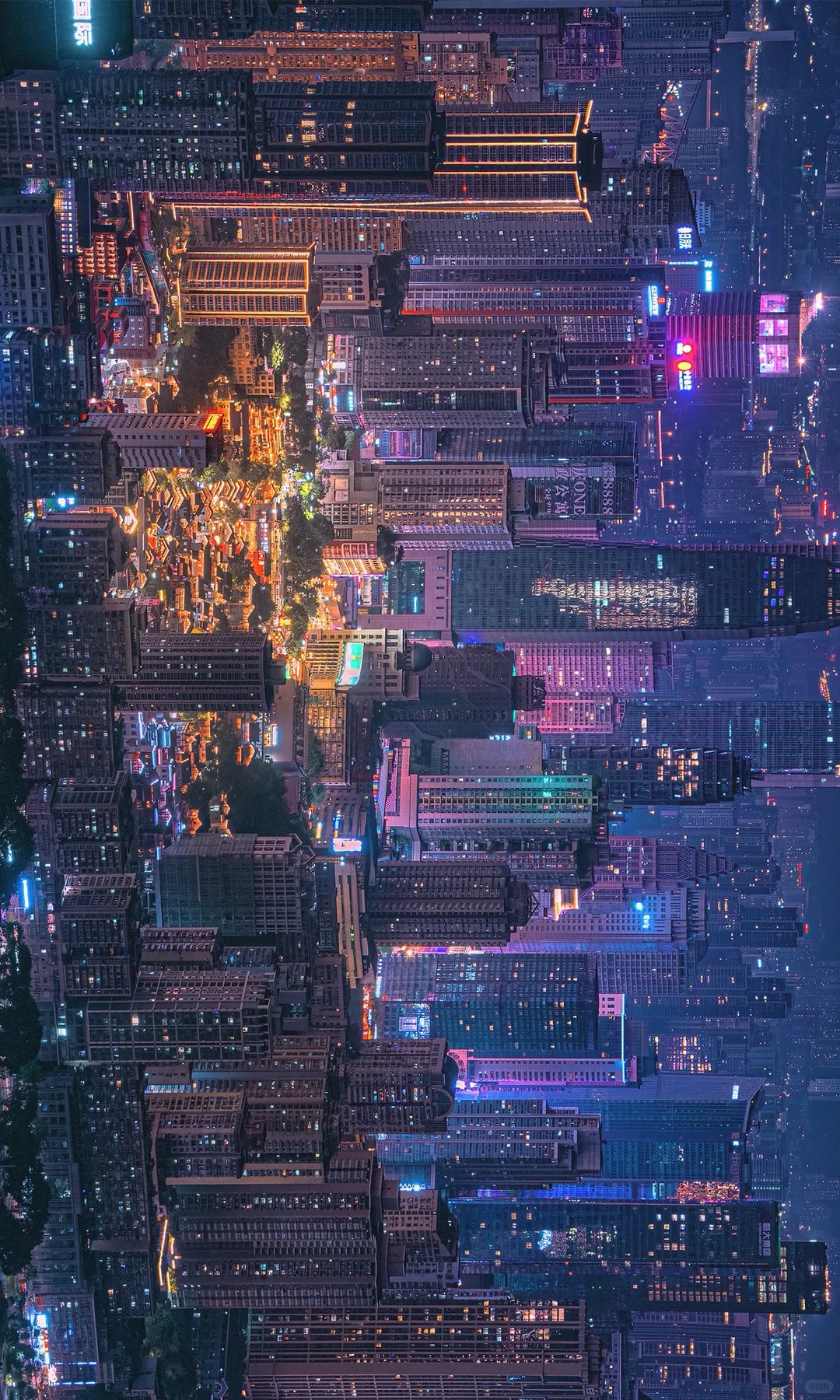
Yuzhong Peninsula Neon Skyline overlooking the Yangtze & Jialing River Confluence
At a Glance: The 4-Day Route Matrix
This itinerary balances architectural surrealism (Day 1 & Day 2), world-class limestone geology (Day 3), and panoramic river vistas (Day 4).
| Day | Primary Focus | Key Landmarks & Transit | Staircase Physical Load | Golden Hour Photography |
|---|---|---|---|---|
| Day 1 | The Vertical Core & Neon River Cliffs | Jiefangbei, Kuixinglou (22F Skybridge), Baixiangju (24F no lift), Hongyadong | Moderate (Elevators used) | 19:45 (Hongyadong lights on) |
| Day 2 | Monorails, Creative Parks & Alleys | Liziba Line 2 Station (Inside building), TESTBED 2, Ciqikou, Yuan-Yang Hotpot | Low (Direct Metro) | 09:30 (Morning river light) |
| Day 3 | UNESCO Wulong Karst Abyss | Three Natural Bridges, 80m Glass Elevator, Tianfu Posthouse, Fissure Gorge | Moderate (Downhill boardwalks) | 12:00 (Sunlight hitting canyon) |
| Day 4 | Historic Cableway & The Crystal Skybridge | Yangtze River Cableway, Danzishi Terraces, Jiangbei Beach Sunset, Raffles City | Low (Skybridge & Cable car) | 18:30 (Sunset over skyline) |
The 3 Golden Rules of 8D Vertical Navigation
Chongqing’s urban geography is three-dimensional. Streets pass through the roofs of 10-story buildings, while petrol stations and subway exits operate on the 8th floor. Keep these three rules in mind throughout your trip:
Ignore 2D Walking Distances
A 200-meter straight line on Apple Maps can easily mean walking to the edge of a 70-meter cliff. If walking directions indicate an absurd elevation curve, look for an indoor mall or subway escalator to bridge the gap.
Use Building Elevators as Streets
Locals do not climb stairs. They walk into public complexes like Kuixing Tower, press floor 22 on the public elevator, and step directly onto an elevated highway that leads across the hill.
Use Apple Maps or Didi
Google Maps suffers from a 300-meter datum offset (GCJ-02 issue) and cannot show multi-level levels. Apple Maps natively incorporates high-accuracy AutoNavi data with clear English subway exit labels.
Day 1: The Vertical Core & Cyberpunk River Neon
Today is all about immersing yourself in the central peninsula (Yuzhong District). You will experience the architectural paradox of Kuixing Tower, frame the vintage Yangtze cableway between 24-story residential wings, and witness Hongyadong ignite at nightfall.
Start at Jiefangbei Pedestrian Square (解放碑)
Begin at the landmark Liberation Monument clock tower. As the true geographic center of Chongqing’s peninsula, this area sits atop a flat ridge. Grab a morning bowl of Chongqing Xiaomian (spicy street noodles) or pork wontons from Huajiang Xiaomian nearby.
Kuixing Tower: The 22nd Floor Paradox (魁星楼)
Walk 7 minutes northwest from Jiefangbei to Kuixing Tower. You will arrive on what appears to be a normal ground-level public square. Walk out onto the pedestrian skybridge connecting the two office towers: suddenly look over the railing and you will realize you are standing on the 22nd floor, with yellow taxis driving 65 meters below on Jiabin Road.
White Elephant House: 24 Floors With Zero Lifts (白象居)
Built in 1992 on a 45-degree granite river bluff, this 24-floor residential building was engineered without a single elevator. Instead, it features three separate street-level exits at floors 1, 10, and 15. The 15th-floor open corridor offers an iconic framing angle: photograph the orange vintage Yangtze River Cableway cabins gliding between the residential towers.
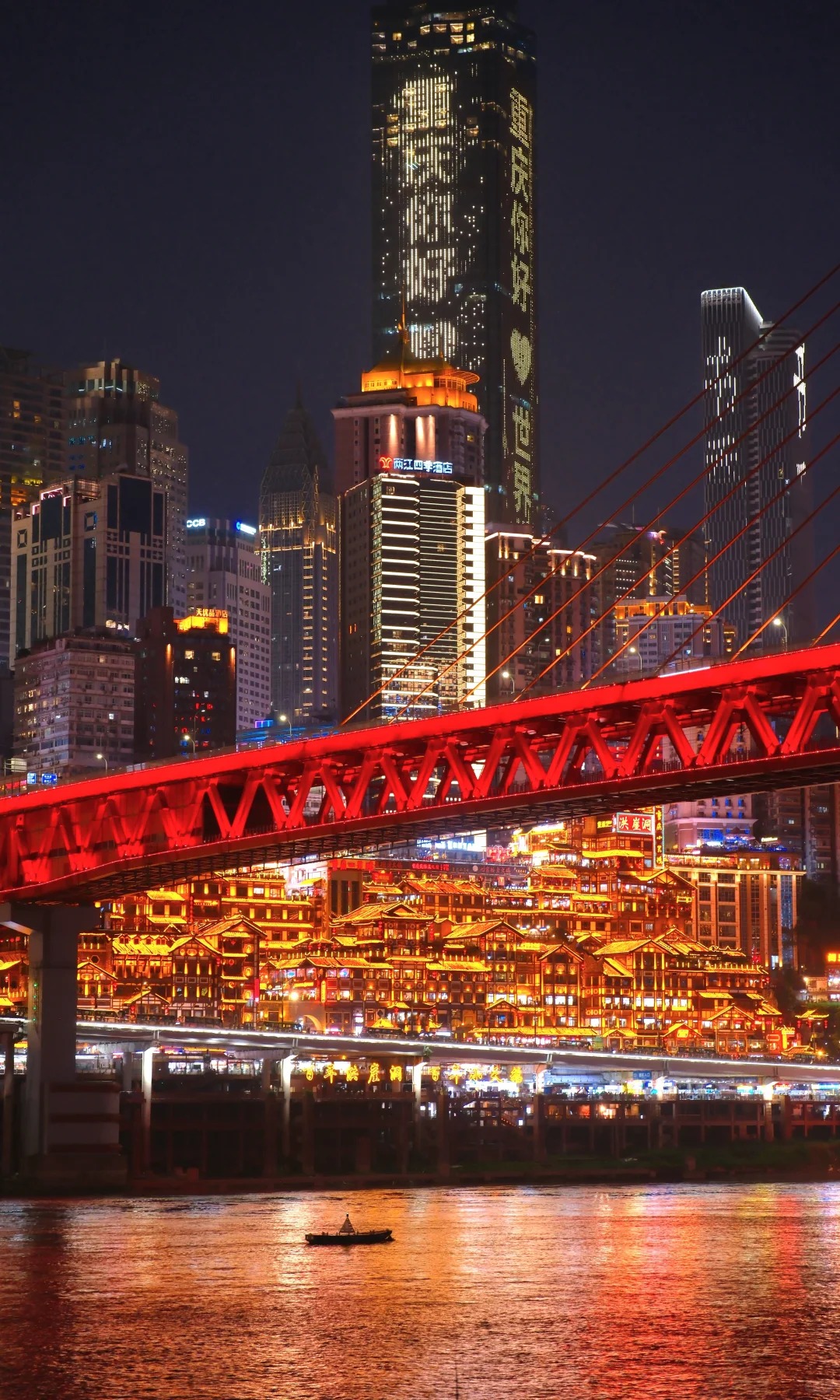
Hongyadong & Qiansimen Bridge Night Illumination (洪崖洞)
An 11-story wooden stilt fortress built directly against a sheer riverside rock face. At approximately 19:30 PM, thousands of warm golden lights illuminate the entire cliffside, creating a visual that closely mirrors the spirit bathhouse in Studio Ghibli’s Spirited Away.
Day 2: Monorails, Cliffside Cafes & Hotpot Protocol
Experience the engineering wonder of the CRT Line 2 monorail train passing right through an apartment complex, wander vintage printing factory rooftops, and conclude with your first authentic hotpot feast.
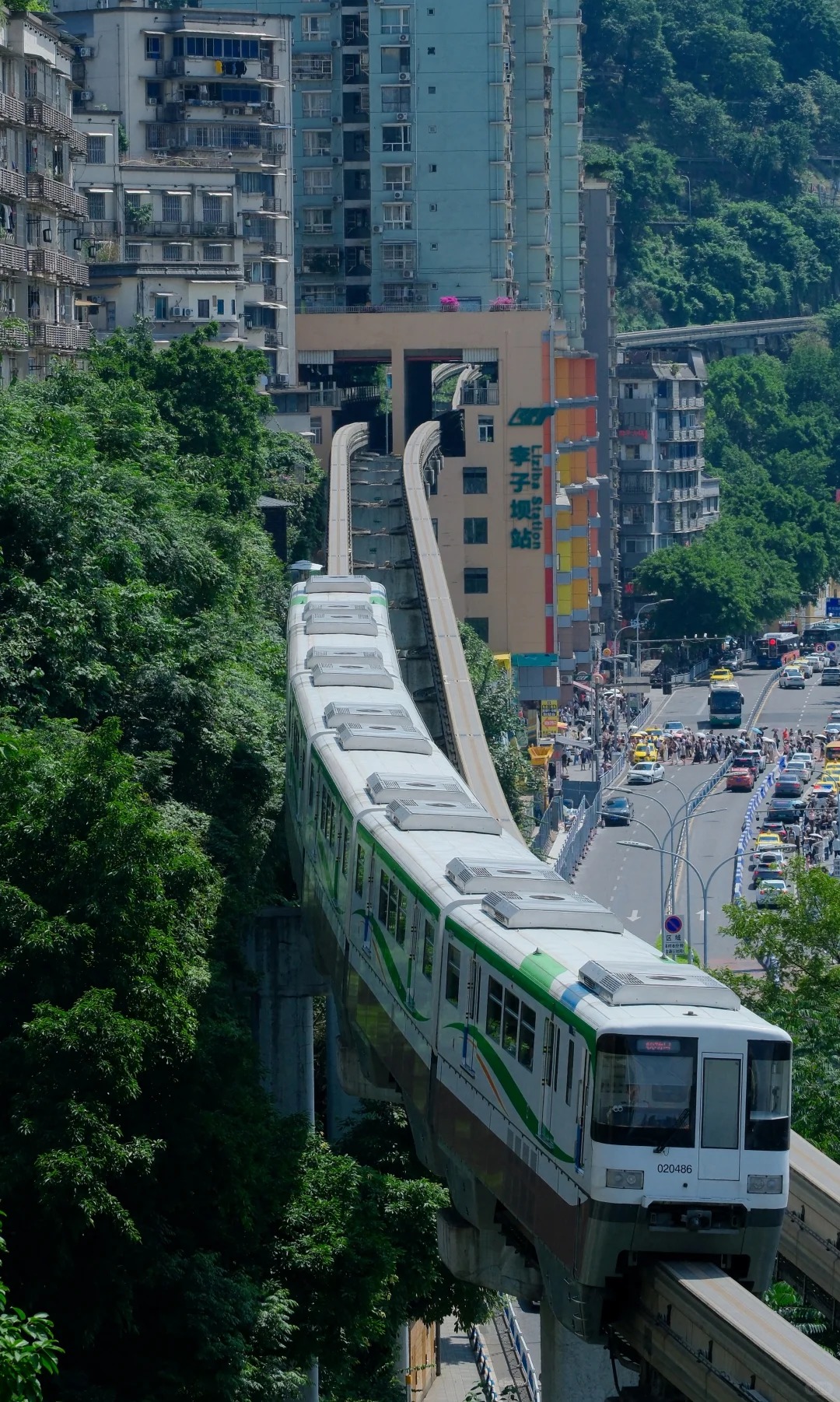
Liziba Monorail Station (Line 2) (李子坝)
Board CRT Line 2 at Jiaochangkou or Linjiangmen. Head to the very front carriage: the train snakes along the lush river bluffs above the Jialing River like an urban rollercoaster before gliding straight into the 6th floor of an occupied 19-story residential building.
Eling TESTBED 2 Creative Park (鹅岭二厂)
Hop in a 10-minute Didi taxi from Liziba up the mountain to TESTBED 2. Formerly the Central Banknote Printing Factory built in the 1930s, this complex has been transformed by British designer Will Alsop into an industrial-chic creative quarter filled with craft espresso bars, vintage thrift stores, and 360-degree river viewpoints.
Ciqikou Ancient Town & Sichuan Opera (磁器口)
Take Metro Line 1 northwest to Ciqikou Station. Walk through the preserved stone-paved Ming & Qing dynasty harbor town. Stop inside a traditional teahouse for a 20-minute Bian Lian (Face-Changing) Sichuan Opera performance while sipping green jasmine tea.
The First Authentic Hotpot Ritual (火锅)
Conclude the evening with dinner at a reputable hotpot parlor (such as Peijie Hotpot or Zhou Shixiong).
Day 3: UNESCO Wulong Karst: The Transformers Abyss
Chongqing is the size of Austria; its most mind-bending sights lie in the satellite karst mountains. Today, leave the urban core and descend into the colossal sinkholes of Three Natural Bridges (天生三桥) and the misty Longshuixia Fissure Gorge.
Three Natural Bridges (Tian Sheng San Qiao)
World's largest cluster of natural limestone karst bridges spanning over 200m vertical canyons
Book train Chongqingbei (重庆北) → Wulong (武隆) on Trip.com (approx. 2 hours, ~$8-12 each way). From Wulong Railway Station, take the official 30-minute shuttle bus straight to the Karst Visitor Center at Fairy Mountain.
Book a direct 1-day English excursion on Viator or Klook ($75 - $110). Includes round-trip hotel pickup at Jiefangbei, all entrance tickets, internal shuttle buses, and the 80m glass cliff elevator pass.
Day 4: River Cableways, Old Terraces & The Crystal Skybridge
Your final day connects Chongqing’s working-class river transit heritage with ultra-futuristic skyscraper architecture at Chaotianmen Port.
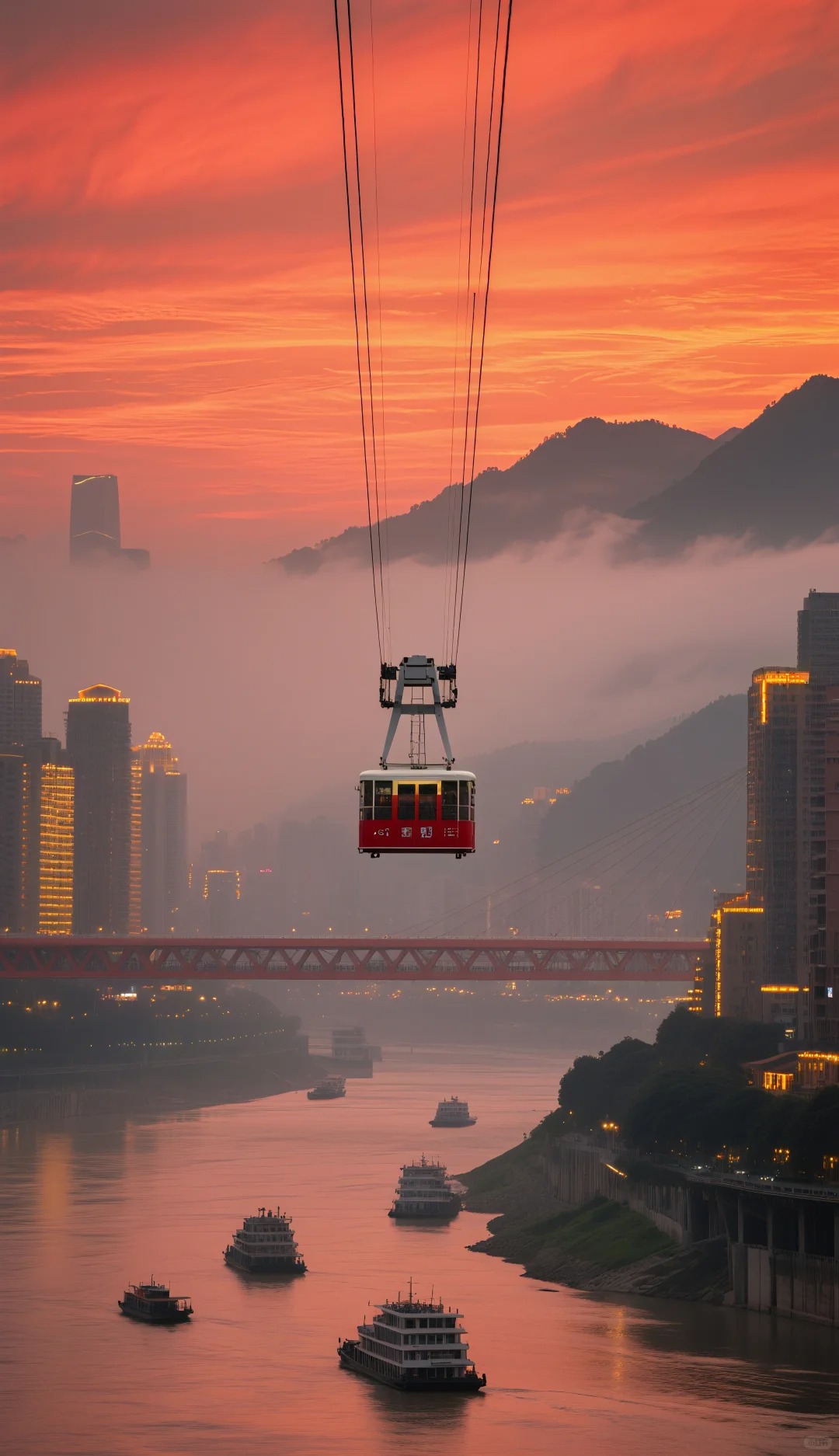
Yangtze River Cableway (长江索道)
Operating since 1987 as the city's iconic "air bus." The large vintage glass cabin carries 50 passengers across the 1,166-meter expanse of the Yangtze River between Yuzhong Peninsula (Xinhua Road Station) and Nan'an District (Shangxinjie Station).
Danzishi Old Street & Nanbin Road Terraces (弹子石老街)
A multi-layered hillside walking street located directly opposite Chaotianmen Port on the south riverbank. Here, French colonial-era maritime customs buildings sit alongside modern open-air terraces offering unrestricted views of the peninsula's skyline.
Sunset at Grand Theatre Riverbank Beach (重庆大剧院江滩)
Cross to Jiangbei District via Metro Line 6 to Grand Theatre Station (大剧院站), Exit 2. Walk down to the natural pebble shoreline at the water's edge. This is Chongqing's premier photography vantage point: as the sun dips behind the mountains, the glass skyscrapers and illuminated bridges reflect across the river waters.
Raffles City 'The Crystal' Skybridge & Cocktail Deck
Designed by Moshe Safdie: eight glass skyscrapers situated at the exact convergence point of the brown Yangtze and turquoise Jialing rivers. Suspended 250 meters in the sky across four towers is The Crystal, a 300-meter-long horizontal skybridge. Conclude your journey with an evening craft cocktail at the open-air observation deck.
Estimated 4-Day Budget Breakdown (Per Person)
Chongqing remains one of China’s most affordable tier-1 metropolitan destinations. You can travel comfortably with star-rated accommodation and generous dining for under $100 USD per day.
| Category | Mid-Range Comfort (USD) | Chinese Yuan (CNY) | Notes & Money-Saving Tip |
|---|---|---|---|
| Accommodation (4 Nights) | $240 - $360 | ¥1,700 - ¥2,500 | 4-star international hotel on Jiefangbei flat ground |
| Dining & Street Food | $100 - $160 | ¥700 - ¥1,100 | Includes 2 premium hotpots, daily noodles & coffee |
| Local Metro & Didi Taxis | $20 - $35 | ¥140 - ¥250 | Subway rides cost ¥2-¥6 ($0.30-$0.85 USD) |
| Urban Attractions | $35 - $50 | ¥250 - ¥350 | Yangtze Cableway (¥20) + Raffles Observation Deck (¥120) |
| Wulong Karst Excursion | $75 - $110 | ¥530 - ¥780 | Small-group English tour or bullet train + tickets |
| Estimated Total (Per Person) | $470 - $715 USD | ¥3,320 - ¥5,080 CNY | Excludes international flights |
Bilingual Flashcards: Show to Taxi Drivers & Locals
Screenshot or copy these cards to your phone. Chinese taxi drivers do not read English, and street noise often distorts automated audio translation.
Frequently Asked Questions: 4-Day Chongqing Itinerary
Can I do this 4-day itinerary with rolling suitcases?▾
How many steps will I climb per day on this route?▾
Does the 144-Hour Visa-Free Transit allow me to visit Wulong Karst?▾
How do I pay for the subway and taxis without cash?▾
What is the best month of the year for this 4-day trip?▾
Before You Land at CKG Airport: Setup Checklist
China requires three pre-trip digital tools to function smoothly: a roaming eSIM that bypasses the Great Firewall, a linked payment app, and offline navigation cards.
Access Google, WhatsApp, Instagram & Uber without needing a VPN. Data activates instantly upon touching down at CKG.
Link foreign Visa/Mastercard. Works seamlessly for subways, convenience stores, and street noodles with 0% foreign fee under ¥200.
Pre-book English-guided small group tour with direct Jiefangbei hotel pickup, tickets, and the 80m cliff elevator pass included.